Homeschooling

Blog posts about homeschooling support and associated services

The SAT Vocab Flashcards Weren’t the Problem. Studying the Wrong Thing Was.

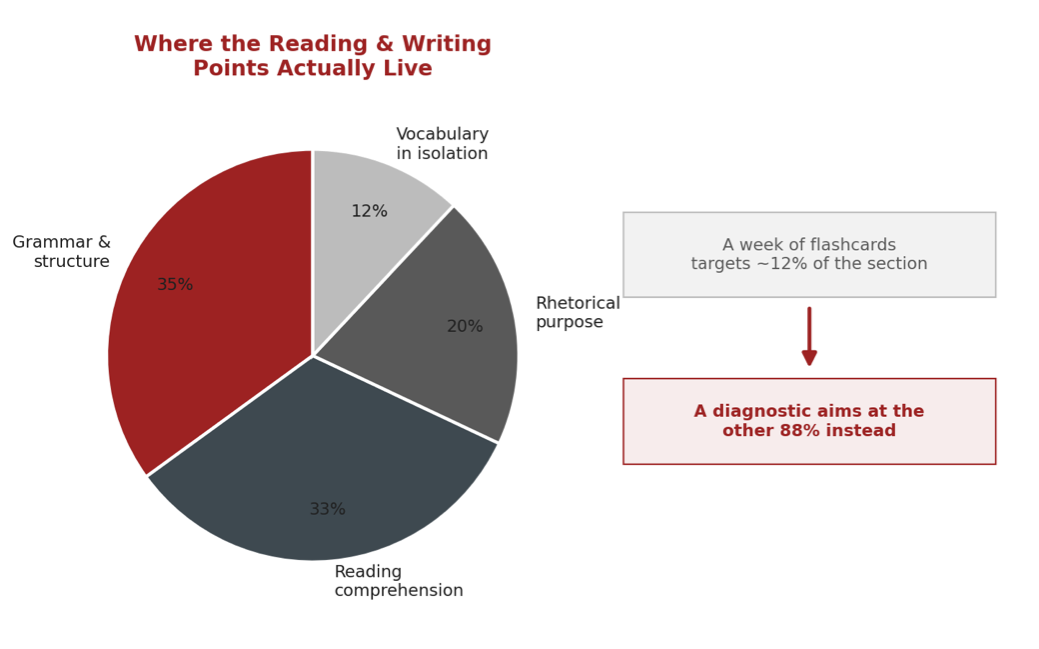
If I had a dollar for every stack of vocabulary flashcards I’ve seen a well-meaning, hardworking student carry into a first session, I could probably cover a semester of tutoring for free. It’s not a knock on the kid — it’s exactly what you’d expect someone to do without a diagnostic pointing them somewhere more useful. The frustrating part is watching genuine effort get spent on the wrong target. The good part is that it’s an easy fix, once someone actually looks at where the real gaps are instead of guessing.

Read More

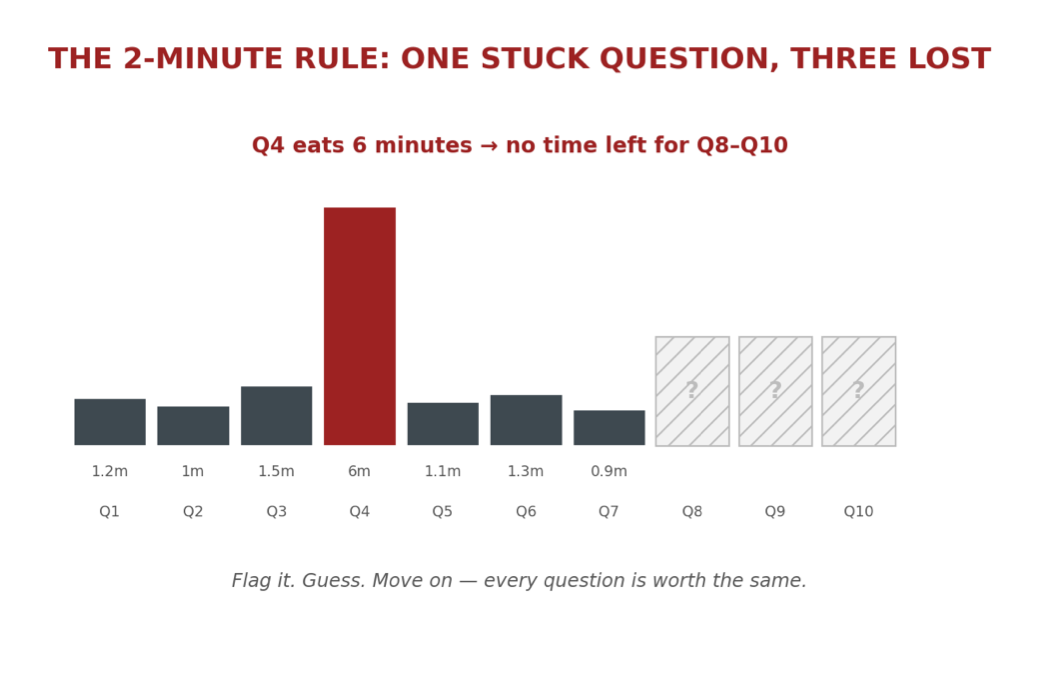
Every SAT Question Is Worth the Same. So Why Are You Spending Six Minutes on One?

I’ve watched more points lost to stubbornness than to actual lack of knowledge, and that’s not an exaggeration for effect — it’s just what shows up in the data when I review a missed section with a student. The kids who struggle most with this rule tend to be the ones who’ve never really been taught that walking away from a problem is a strategy rather than a failure. Once that clicks, it’s one of the fastest score gains I know how to produce, because it doesn’t require learning anything new. It just requires unlearning one bad instinct.

Read More

The SAT Score Jump Wasn’t the Part My Client Cared About Most

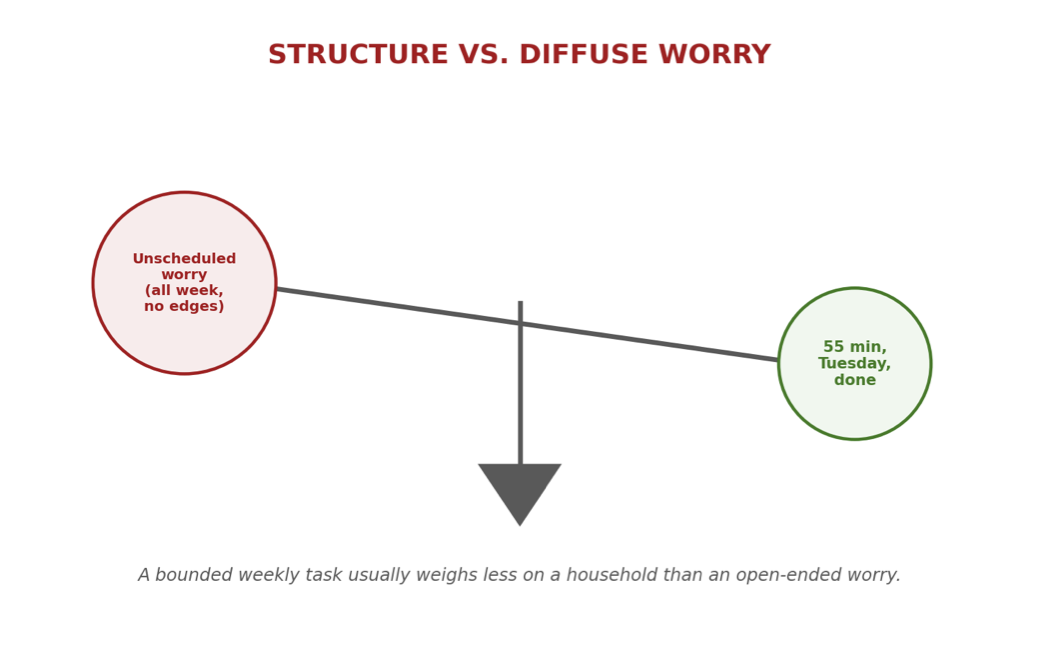
If I had to name the one habit that’s done the most for client retention over the years, it isn’t a teaching technique. It’s the weekly email. It costs me maybe ten minutes a student, and it consistently turns out to be the single thing families mention first when they talk about why the process felt trustworthy. I’d go so far as to say a tutor who can’t or won’t do this regularly is telling you something about how the rest of the process is probably being run, too.

Read More

The 240-Point SAT Score Jump: What Actually Happened in Ten Weeks

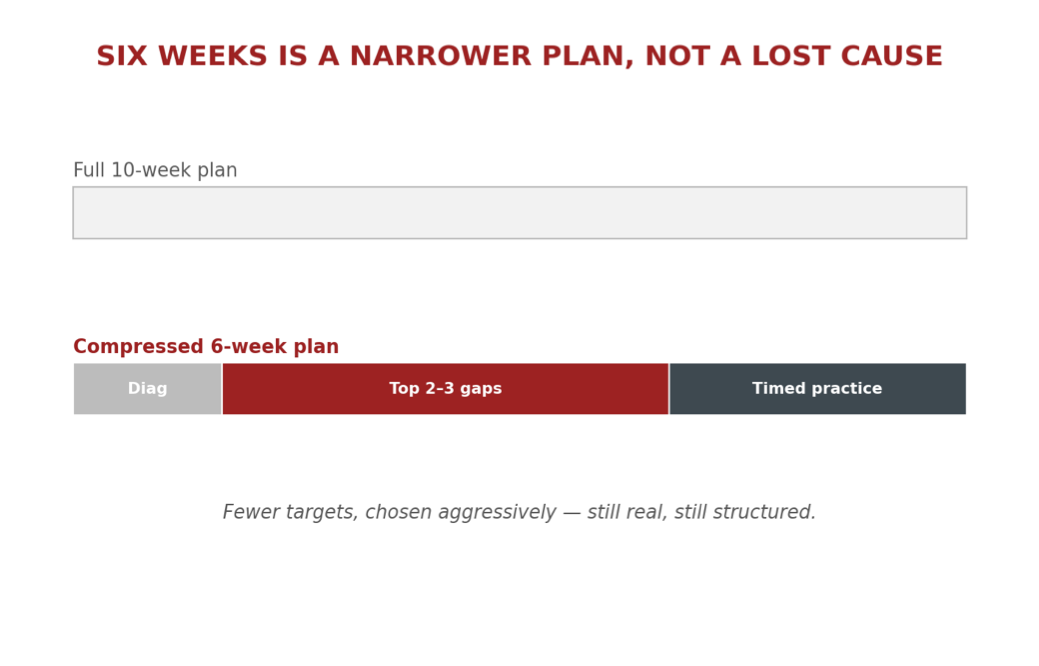
I’ve had this conversation enough times to know exactly where it goes sideways: a parent hears “240 points” and starts imagining a specific technique they can ask me for by name. There isn’t one. What there is, every single time, is the same three-part process — diagnose specifically, target relentlessly, practice realistically — applied to whatever that particular student’s specific gaps turn out to be. It’s not exciting. It’s also the only version of this that has ever actually worked for anyone I’ve tutored, and I’ve stopped apologizing for how ordinary that sounds.

Read More